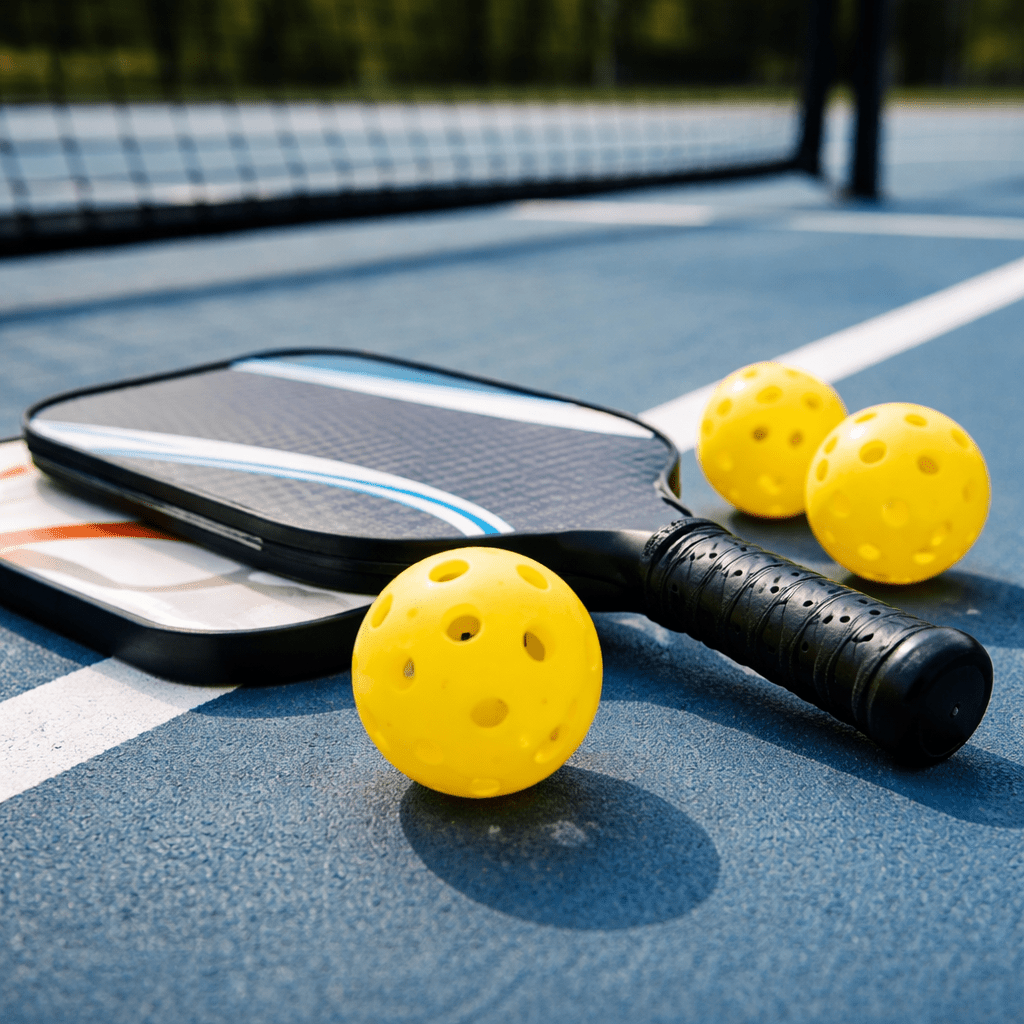
How side-to-side stiffness affects reach, recovery, and court coverage
Pickleball places constant demands on lateral movement. Quick shuffles, sudden stops, and fast recoveries are part of nearly every rally. When side-to-side movement begins to feel slower or less controlled, many players assume it is a conditioning issue, when in reality it is often a mobility limitation.
Effective lateral movement depends on hip mobility, ankle control, and the ability to decelerate and re-accelerate smoothly. When these systems lose usable range or coordination, players may feel late to wide shots, unstable when changing direction, or hesitant to move aggressively toward the kitchen line.
Stretching alone rarely restores lateral movement because pickleball requires controlled motion under load, not passive flexibility. Training that reflects side-to-side movement patterns is more effective than generic routines that do not match the demands of the game.
Players interested in understanding how pickleball-specific movement training addresses lateral mobility may benefit from reading a detailed program review. This pickleball movement program review (including a 10% discount) explains how targeted training can help improve lateral control, balance, and confidence on the court.